


 Electronic Security Systems
Key Capabilities
Physical Access Control Systems
Access Control and Intrusion Detection Systems
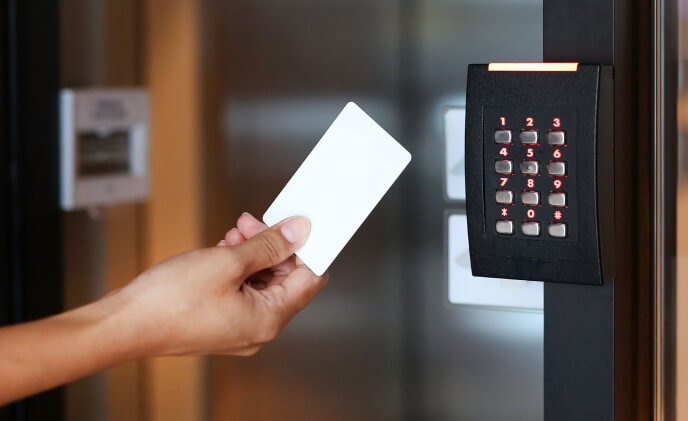
PFPA provides Access Control Systems ("ACS", or "swipe card readers") that control access to building perimeters and individual tenant spaces. Intrusion Detection Systems (IDS) provide monitoring of classified spaces with all alarms transmitted to the cognizant operations center. The ACS/IDS systems also provide duress button, lockdown, and entrance opening/closing capabilities.
Data Warehouse

PFPA combines all swipe history records from all the various ACS/IDS in to a single database known as a "data warehouse." This data warehouse provides a one-stop shop for tenant swipe history across all PFPA protected facilities. The data warehouse is designed for self-service access by authorized users.
Biometric Access Control
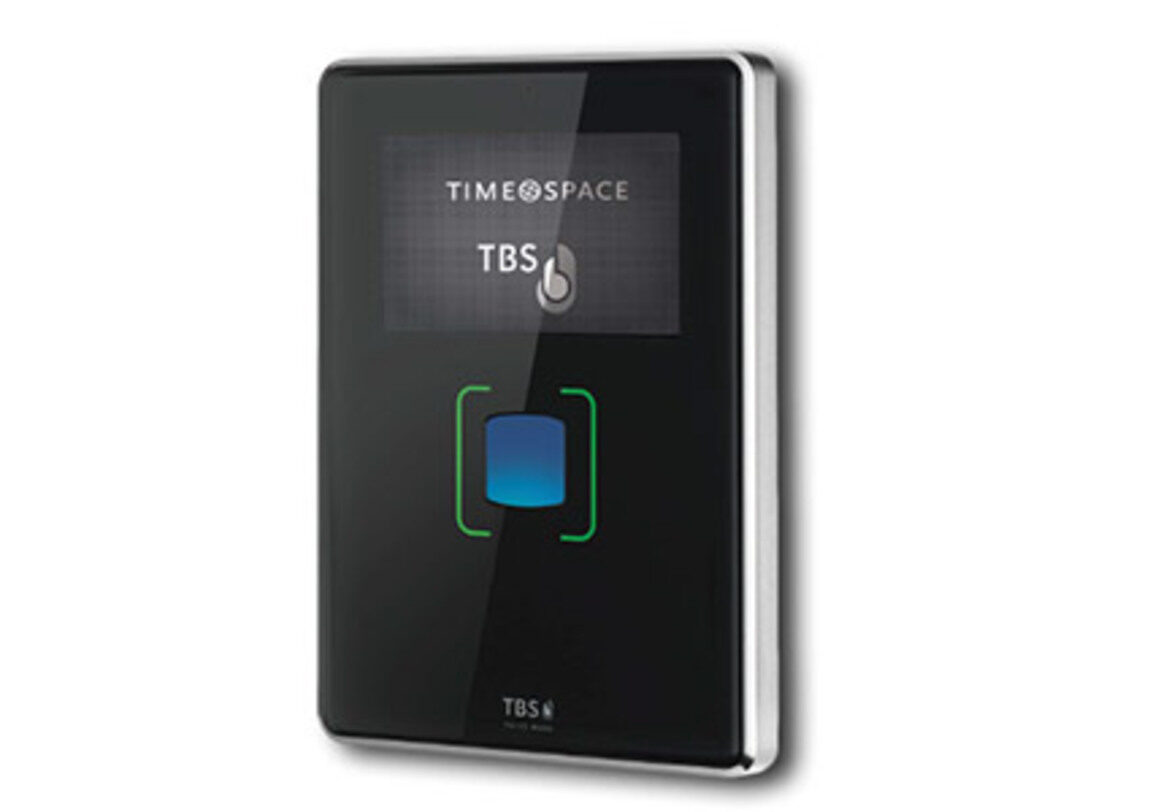
PFPA is piloting fingerprint and iris based biometric access control in select locations. Biometrically enabled access control provides higher surety of identity verification over traditional card-only or card + PIN based verification. PFPA is exploring biometric enabled access control as a method to achieve unmanned entrances, provide enhanced security for access to specific critical infrastructure, and support card-less biometric only access.
Video Surveillance and Analytics
Video Surveillance
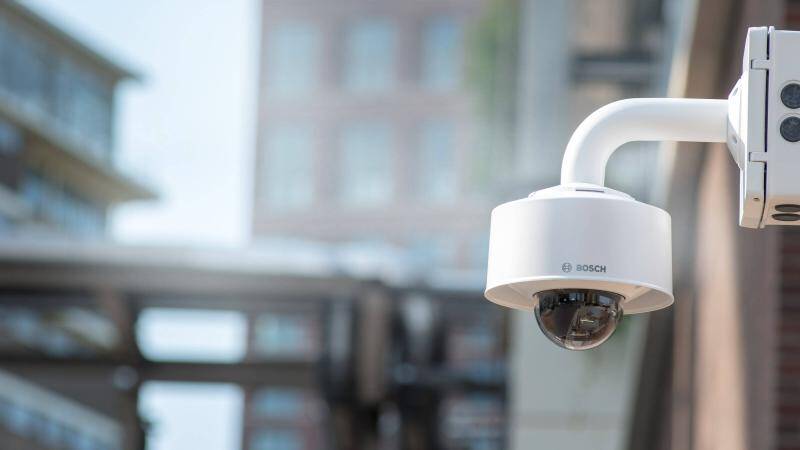
PFPA maintains over 3,000 IP-enabled High Definition capable video surveillance cameras across the Pentagon, Mark Center, and multiple leased facilities in the National Capital Region. Recorded video is generally retained for up to 45 days.
Remote Video Surveillance Trailers
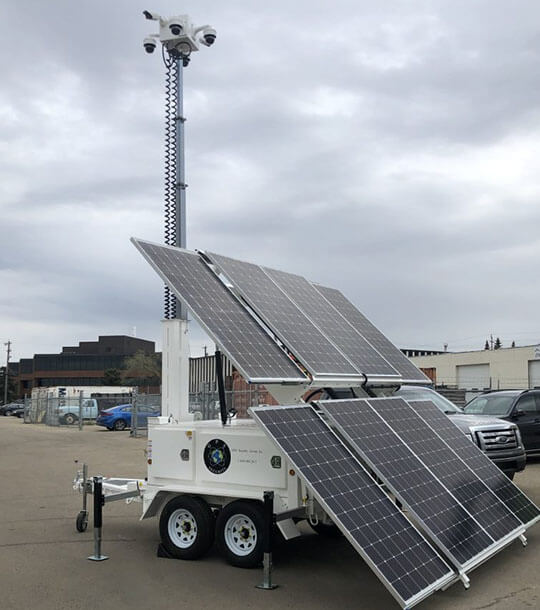
PFPA maintains multiple Remote Video Surveillance Trailers (RVST). These towable platforms are re-locatable anywhere across the Pentagon Reservation. Each RVST includes multiple pan/tilt/zoom cameras, encrypted wireless mesh communication back to Enterprise Video, and the capability to be powered by gasoline generator, solar, shoreline, or battery power. RVSTs are useful for:
- Special Events: Trailers are relocatable to nearly any location across the Reservation and capable of beaming live video to Operations Centers and Mobile Command Centers in support of Army Ten Miler, Marine Corps Marathon, 9/11 Anniversary and other special events occuring on the Reservation.
- Random Antiterrorism Measures: Trailers can be located and re-located as a deterrence measure.
- Augmentation: Trailers can augment or temporarily replace out-of-service perimeter cameras.
Video Analytics
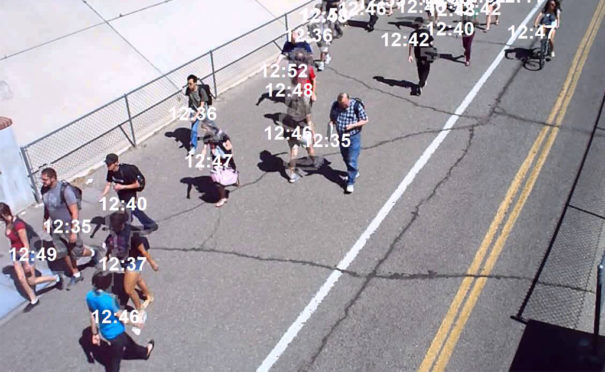
PFPA has procured BriefCam for advanced video analytics capabilities. These capabilities include:
- Video Synopsis: BriefCam compresses hours of video in to minutes, enabling faster review of recorded video footage.
- Video Search: Quickly search and filter objects and events of interest by men, women, children, vehicles, and lighting changes with speed and precision, using 28 classes and attributes, license plate recognition, appearance similarity, color, size, speed, path, direction, and dwell time.
- Facial Recognition: BriefCam indexes faces to make finding a particular individual easier.
Perimeter Intrusion Dection
Perimeter Fence Security
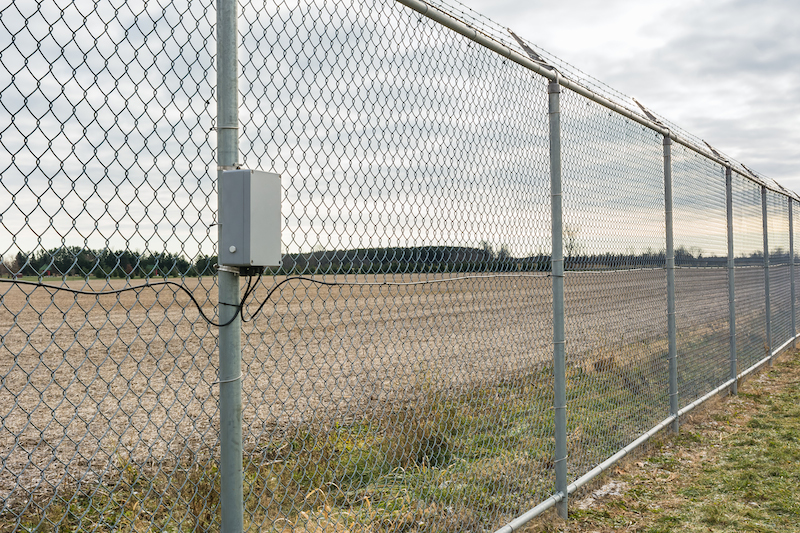
PFPA uses multiple sensor technologies to identify potential perimeter intrusions. These technologies include:
- Thermal: Thermal imaging cameras with onboard intelligent video analytics identify possible intruders.
- Fiber optic: Fiber optic cable run in line with the fence detects movements indicative of an individual attempting to scale a fence.
- Laser: Laser beams focused in precise areas detect intruder movement.
- Multi-modal: Combined microwave and photoinfrared detection provides high sensitivity detection.
Identity and Credential Management
Privilege Management Program

PFPA's Privilege Management Program (PMP) is a single repository of tenant and visitor data, including identity, sponsorship, credential, and access privileges. PMP handles the following functions:
- Tenant Enrollment: Enroll a tenant's Common Access Card (CAC) or Pentagon Facilities Access Credential (PFAC).
- Biometric Capture: PMP captures high resolurion iris and fingerprint images for use with PFPA's biometric access control.
- Continuous Vetting: PMP continuously checks tenants against the Defense Manpower Datacenter (DMC) Identity Matching Engine for Security and Analysis (IMESA) for arrests, felony warrants, and Terrorist Screening Database hits.
- Visitor Sponsorship: Allow tenants to invite/sponsor and escort visitors.
- Privileging: Enables Security Managers to add and remove card access to their spaces through a self-service portal.
Physical Security Information Management
Physical Security Information Management
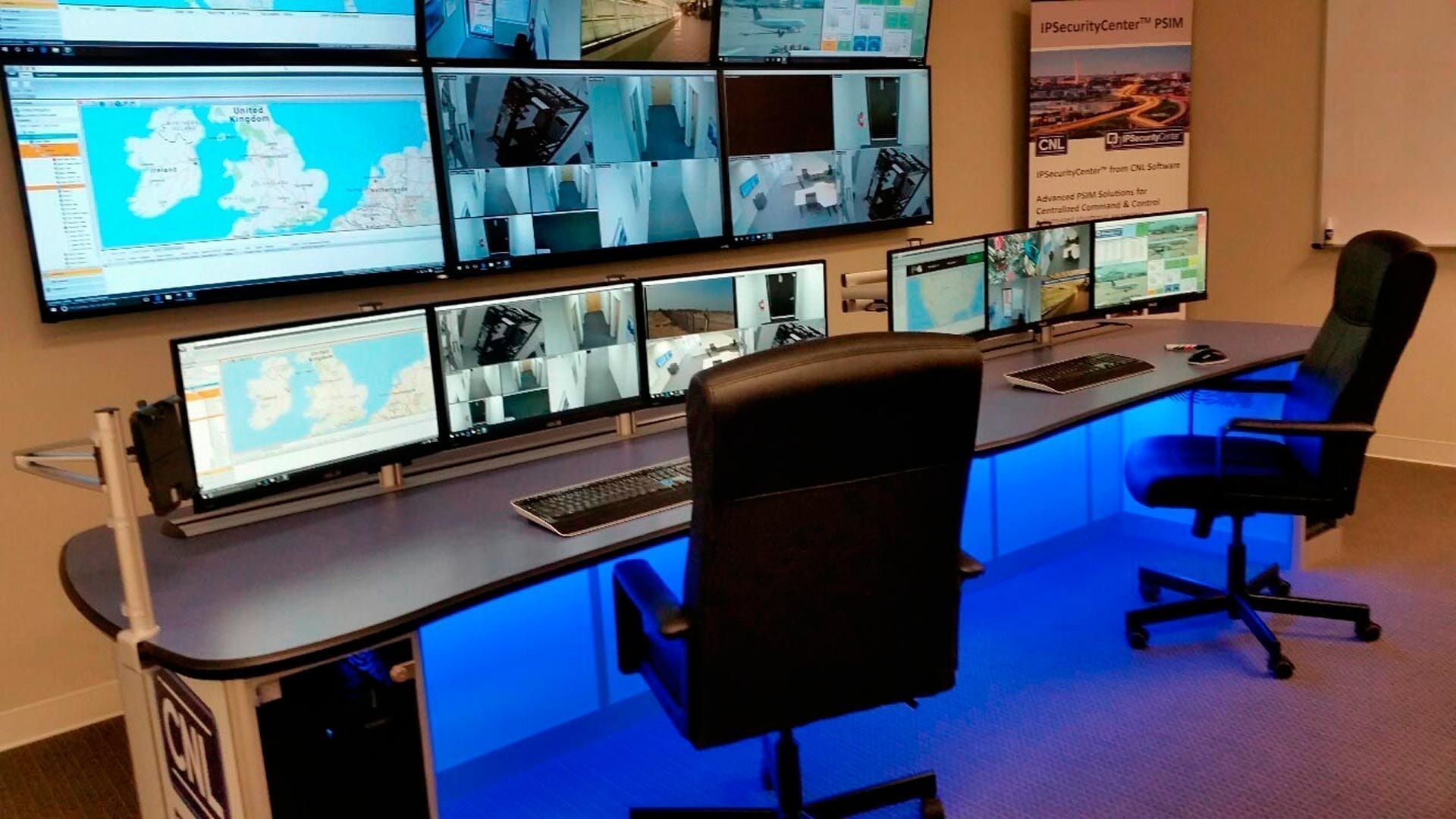
PFPA has deployed CNL IPSecurityCenter as its physical security information management (PSIM) solution. PSIM unifies all of PFPA's disparate physical access control, video surveillance, perimeter intrusion, identity management, and similar systems in to a single interface, combined with advanced business logic, 2D/3D maps, camera call ups, and other capabilities.
Other Capabilities
Interior Gunfire Detection Emerging
Active shooter incidents remain a pervasive threat to Department of Defense personnel. Rapid recognition of active shooter incidents, precise direction of first responder, and reduction of 'trigger time' are key to defeating active shooter attacks and minimizing loss of life. PFPA is in the process of deploying audio sensor equipped cameras throughout the Pentagon to allow immediate detection and response to active shooter incidents.
Call Stations
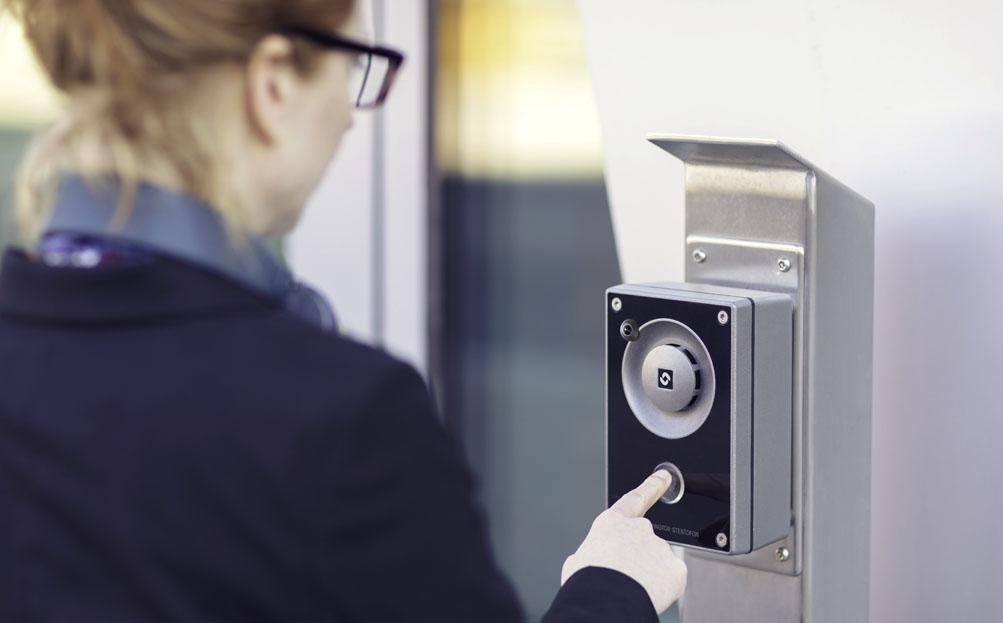
PFPA is in the process of upgrading call stations to new IP-based, video enabled models. In addition to supporting audio and video, these new stations also offer advanced roll-over and call forwarding features. Call stations are deployed in two principle forms:
- Emergency Call Boxes: Similar to those found in parking garages, university campuses, and other locations these emergency call stations directly connect callers to an Operations Center.
- Access Control Point Intercom: Replacing legacy non-IP intercoms, these intercoms provide high resolution audio and video intercom capabilities at Vehicle and Pedestrian Access Control Points.